





<!– SEO-TDK: title=Exploring the Role of the Philippine Rice Research Institute; description=Comprehensive information about philippine rice research institute,. Taya365 Arcade Games, Taya365 Arcade Games, Davaowin Live Casino, Jili90 Fishing –>
Exploring the Role of the Philippine Rice Research Institute in Advancing Agriculture
The Philippine Rice Research Institute‘s Mission and Vision
The Philippine Rice Research Institute (PhilRice) stands as a beacon of agricultural advancement in the Philippines, dedicated to improving rice production through innovative research and sustainable farming techniques. Established to ensure food security and uplift the welfare of Filipino rice farmers, PhilRice combines science with local knowledge to address the unique needs of the country’s rice-growing communities. Its mission aligns closely with the cultural values of bayanihan and resilience, reflecting how Filipinos value cooperation and strong community ties in agriculture.
Beyond its agricultural mandate, the institute also plays a vital role in promoting rural development and poverty alleviation. By empowering farmers with the latest technologies and knowledge, the Philippine Rice Research Institute contributes to creating sustainable livelihoods and strengthening the agricultural economy. Its vision is to transform Philippine rice farming into a globally competitive and climate-resilient sector, ensuring that rice remains a staple food accessible to all Filipinos.
Learn how the Philippine Rice Research Institute boosts crop yields with innovative tech at 777mini.
Discover how the Philippine Rice Research Institute boosts sustainable farming at Kkkjili.
Research and Innovation in Rice Farming
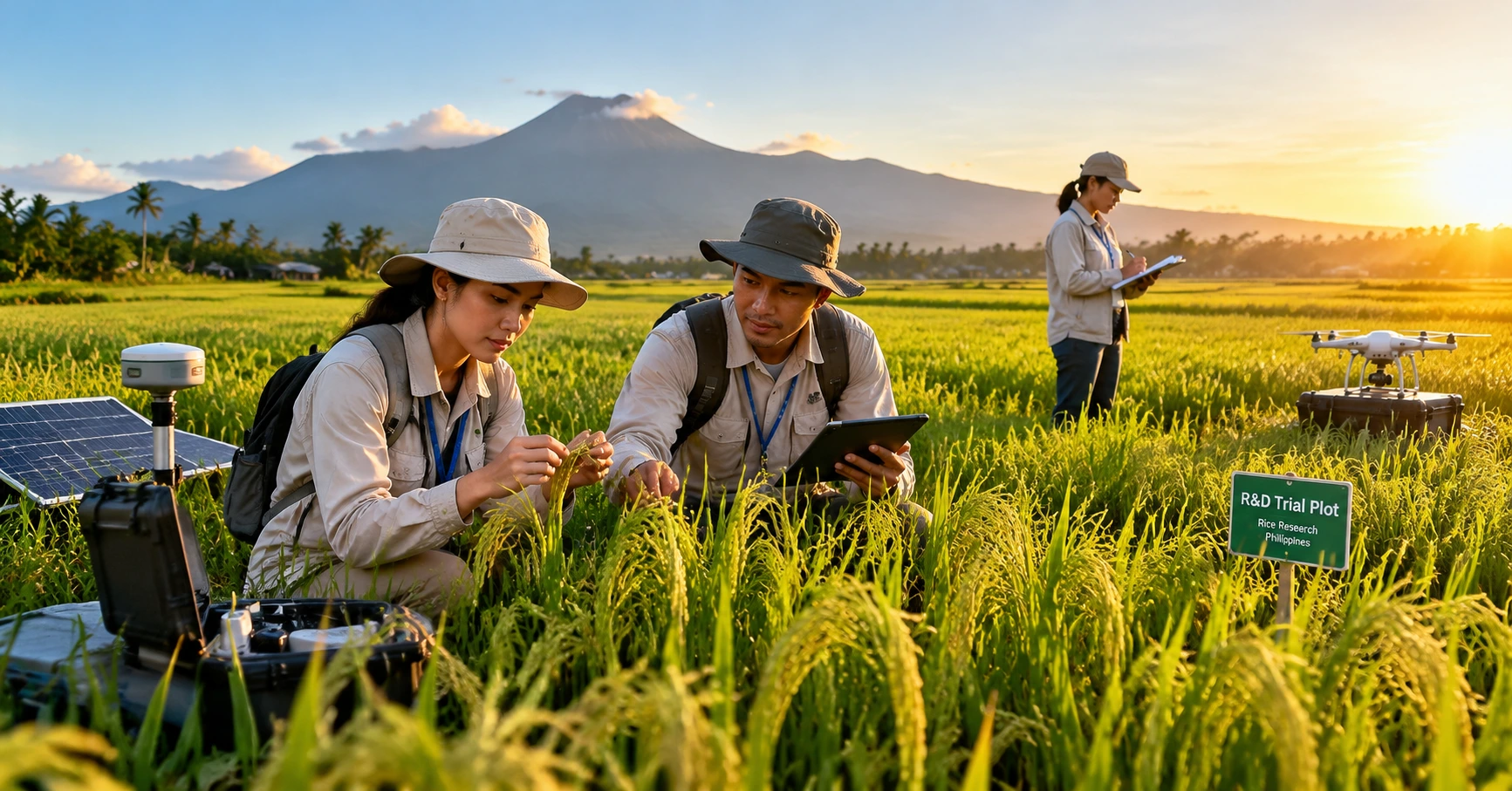
At the heart of PhilRice’s success are its cutting-edge research projects focusing on developing high-yield and climate-resilient rice varieties. The institute pioneers integrated pest management, water-saving technologies, and mechanization suited for the Philippine environment. This research not only boosts productivity but also preserves the rich biodiversity of Filipino rice fields. Such innovations help farmers to adapt to climate change, a growing concern in the archipelago’s agriculture sector.
Climate-Smart Rice Varieties
PhilRice has introduced several climate-smart rice varieties that withstand drought, flooding, and salinity. These varieties empower Filipino farmers to maintain stable harvests despite unpredictable weather patterns, which is vital given the country’s vulnerability to typhoons and other natural disasters.
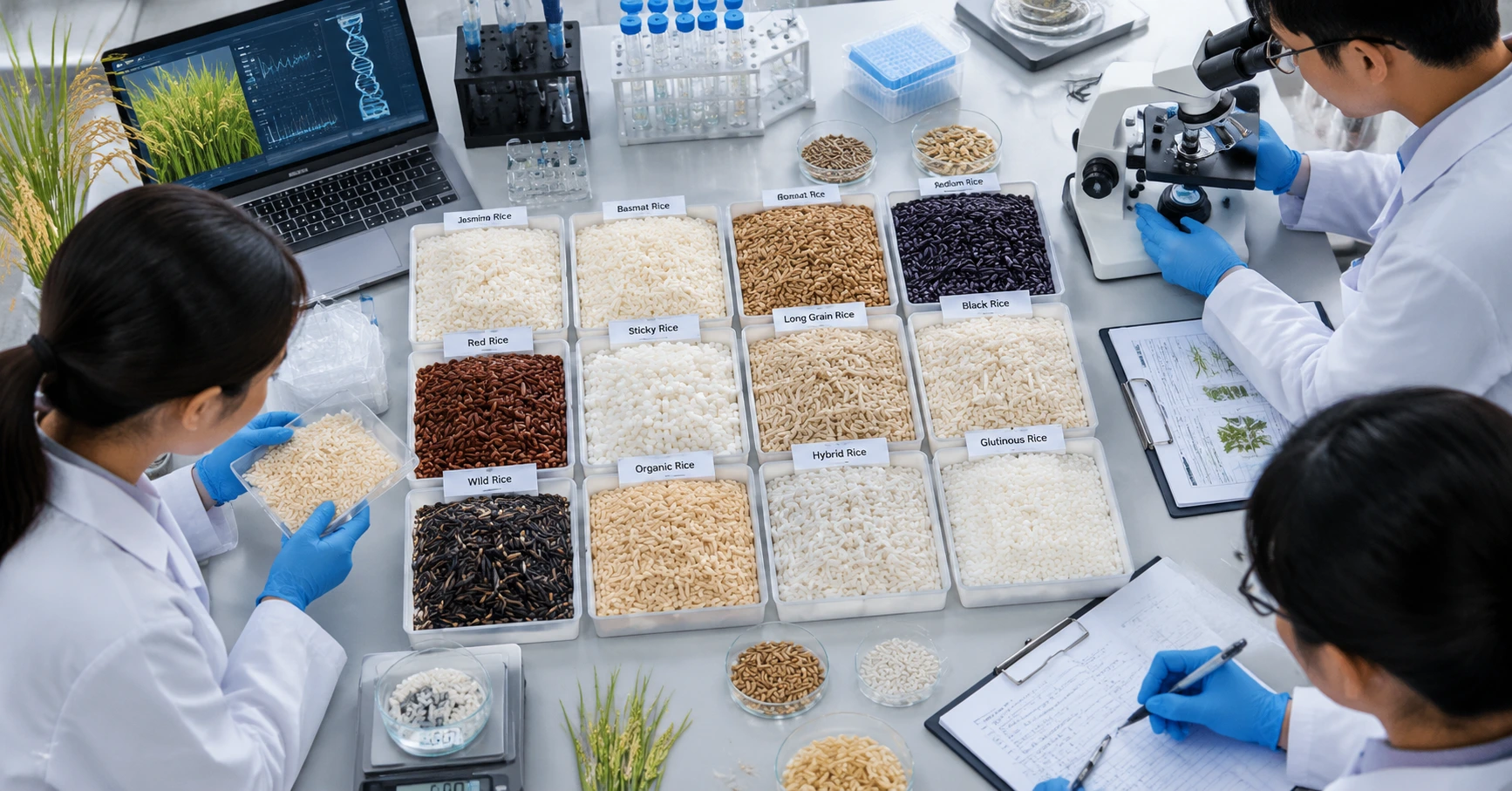
In addition to varietal development, the Philippine Rice Research Institute invests in digital agriculture tools and precision farming techniques. These innovations include mobile apps for pest monitoring and weather forecasting, which help farmers make informed decisions on planting and harvesting. Such technological advancements are crucial for modernizing Philippine rice agriculture and increasing its competitiveness in the global market.
Technology Transfer and Extension Services
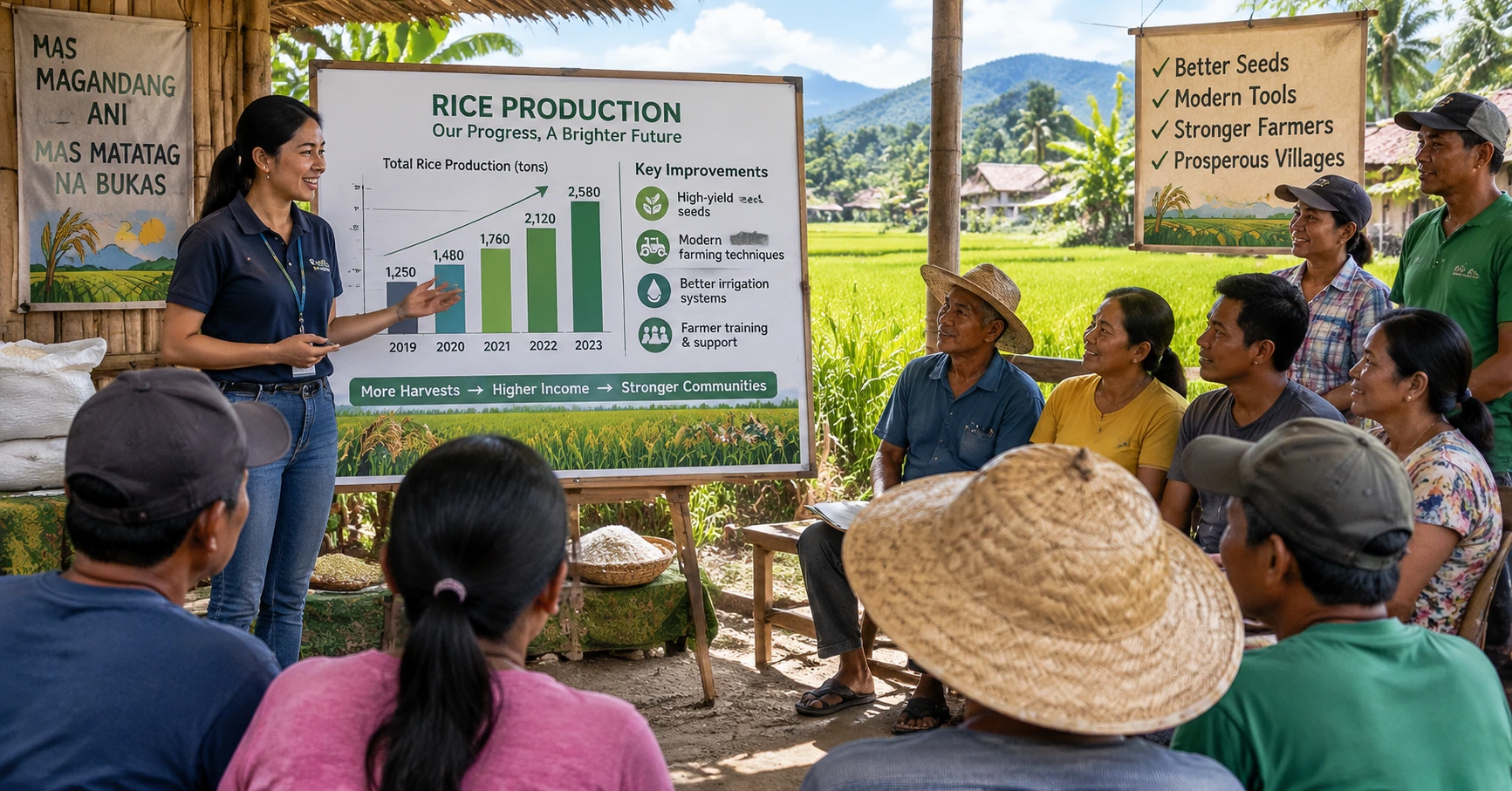
The institute’s active extension services and training programs ensure that the latest research reaches farmers nationwide. By partnering with local governments and farmer cooperatives, PhilRice strengthens the dissemination of knowledge and best practices, fostering a vibrant agricultural community rooted in Filipino values.
These extension efforts are complemented by community-based learning sessions and demonstration farms, where farmers can experience firsthand the benefits of new rice varieties and farming methods. PhilRice’s commitment to inclusive education ensures that even remote and marginalized communities gain access to vital agricultural innovations.
Impact on Filipino Farmers and Communities
The tangible benefits of the Philippine Rice Research Institute are evident in the improved livelihoods of Filipino rice farmers. Increased yields and sustainable farming methods have led to better income security and food availability. Moreover, PhilRice’s focus on social inclusivity supports marginalized farmers, including women and indigenous groups, reflecting the diverse fabric of Philippine society.
Furthermore, PhilRice contributes to enhancing community resilience by promoting cooperative farming and resource sharing. These initiatives encourage farmers to engage in collective marketing and value-added activities, increasing their bargaining power and profitability. The institute’s work aligns with broader rural development goals, ensuring that agriculture remains a viable and rewarding livelihood.
Rice Varieties and Production Statistics
| Rice Variety | Yield (tons/ha) | Resistance | Release Year | Key Features |
|---|---|---|---|---|
| NSIC Rc 222 | 5.5 | Blast, Brown Spot | 2010 | High yield, disease resistant |
| PSB Rc 18 | 6.0 | Drought tolerant | 2014 | Climate-resilient, suitable for rainfed areas |
| NSIC Rc 222 (CLIMB) | 5.8 | Flood tolerant | 2018 | Submergence tolerant variety |
Collaborations and Partnerships
The Philippine Rice Research Institute actively collaborates with international organizations, government agencies, and private sectors to amplify its impact. Partnerships with entities such as the International Rice Research Institute (IRRI) and the Department of Agriculture enhance resource sharing and joint research initiatives. These collaborations enable PhilRice to stay at the forefront of global rice research and adopt best practices suited for the Philippine context.
In addition, PhilRice leverages digital platforms and online communities to engage young farmers and tech-savvy stakeholders. Innovative ventures, including partnerships that integrate agricultural development with entertainment and technology, have emerged. For example, platforms like Taya365 Arcade Games, Davaowin Live Casino, and Jili90 Fishing reflect the growing trend of combining leisure and technology, which can be harnessed to promote agricultural awareness and education among younger generations.
Future Trends and Challenges
Looking ahead, the Philippine Rice Research Institute faces the challenge of sustaining rice production amid climate change, urbanization, and evolving consumer preferences. The institute is intensifying efforts in biotechnology, such as gene editing and molecular breeding, to develop superior rice varieties. Emphasizing sustainability, PhilRice also promotes organic farming and circular agriculture to reduce environmental impact.
Moreover, integrating digital solutions and data analytics will be crucial for precision farming and supply chain efficiency. The institute’s future strategies include expanding farmer access to digital tools and strengthening policies that support smallholder farmers. By continuing to innovate and collaborate, the Philippine Rice Research Institute aims to secure the future of rice farming in the Philippines, ensuring food security and economic stability for generations to come.